Sunscreen Isn’t Optional, Babe. It’s Skincare.
If you’ve followed me for any amount of time, you already know: I don’t play about SPF. After over 25 years in the beauty industry, I can tell you confidently, the best anti-aging product you will ever use is sunscreen.
Not the $200 cream. Not the viral serum. Sunscreen. Period.
Let’s take a moment to break this down in a way that actually makes sense.
What Is SPF?
SPF stands for Sun Protection Factor.
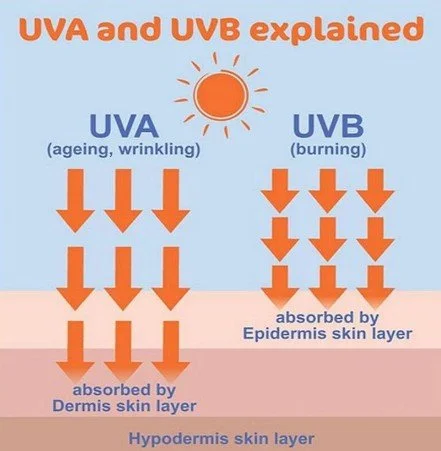
It measures how well a sunscreen protects your skin from UVB rays, the burning rays.
Here’s the simple version:
• SPF 15 blocks about 93% of UVB rays
• SPF 30 blocks about 97%
• SPF 50 blocks about 98%
Notice something? The numbers don’t double the protection. The increase is incremental. That’s why I usually recommend at least an SPF 30 or higher for daily wear.
But here’s the part many people miss, SPF only measures protection against UVB, the rays that burn you. The real aging damage? That comes from UVA rays.
UVA rays:
• Cause wrinkles
• Break down collagen
• Create hyperpigmentation
• Penetrate through clouds and windows
• Are present year-round
That’s why your sunscreen must say BROAD SPECTRUM, which is protection from BOTH UVA and UVB. If it doesn’t say broad spectrum, you’re only protecting yourself from a sunburn not from premature aging, and we are not doing that.
Why SPF Is So Important
Let’s get real for a second.Every time you skip sunscreen, you’re allowing:
• Collagen breakdown
• Pigment to deepen
• Elasticity to weaken
• Fine lines to set in
Up to 80–90% of visible skin aging is caused by sun exposure, and each year in the United States, nearly 5 million people are diagnosed with skin cancer.
This is not just cosmetic. This is health,SPF is prevention, SPF is protection and SPF is long-term strategy.
Mineral vs. Chemical SPF: What’s the Difference?
This is one of my most asked questions. Let’s simplify it.
Mineral (Physical) Sunscreen
Active ingredients: Zinc Oxide and/or Titanium Dioxide
How it works: Sits on top of the skin and reflects UV rays like little mirrors. This works best for those with sensitive skin, Rosacea, post-procedure skin and Acne-prone skin or those with hyperpigmentation. You might be asking yourself what makes it better? Mineral SPF works immediately, meaning as soon as you place it on the skin, you are ready to be out in the sun. It is also less irritating and great for reactive or sensitive skin types.
Chemical Sunscreen
Active ingredients: Avobenzone, Octinoxate, Octisalate, and others
How it works: Absorbs UV rays and converts them into heat. This SPF is best for: no white cast lovers, looks under makeup wearers, and deeper skin tones wanting an invisible finish. Chemical SPF tends to be lightweight, a great primer for makeup and blends seamlessly. Unlike mineral, you do have to wait at least 15–20 minutes before sun exposure so it can absorb into the skin and if you have sensitive skin, it could irritate.
My take? I personally prefer mineral. I have my routine my it works for me. But in reality, it is not about which one is “better.” It’s about which one you will actually wear every single day. The best sunscreen is the one you use consistently.
Application Matters More Than You Think
Here’s where most people get it wrong. You are probably not using enough.
To get the SPF listed on the bottle, you need:
• About 1/4 teaspoon for your face alone
• Or the two-finger rule (a line of sunscreen down your index and middle finger)
For face, neck, and chest? Closer to 1/2 teaspoon. And yes, you must reapply every 2 hours. More often out doors especially if you’re sweating or swimming. Common mistakes I see all the time, only applying in the morning and thinking you’re covered all day, you are not and you have just wasted time and money. Be consistent it is what makes the difference between protected skin and premature aging.
Don’t Forget This
• More women are embracing protected skin over chasing a tan.
• Sunscreen use is especially low among men. Remind the men in your life.
• Apply to your neck and chest. Your face cannot look 35 while your chest looks 52.
• Sunscreen is not seasonal. You need it 365 days a year.
If you invest in one skincare step, make it this one. SPF is not optional. It’s daily. Your future skin will thank you. 💛