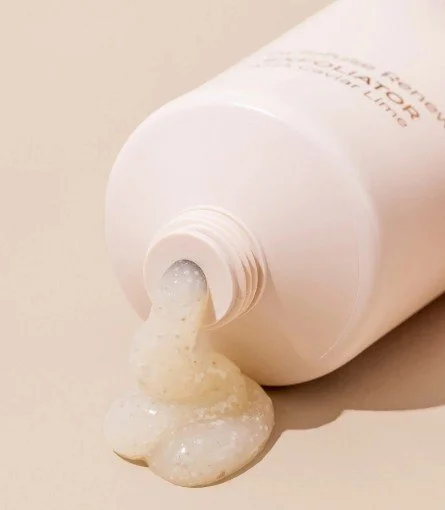
Scrub-A-Dub-Dub… Let’s Talk About Exfoliation
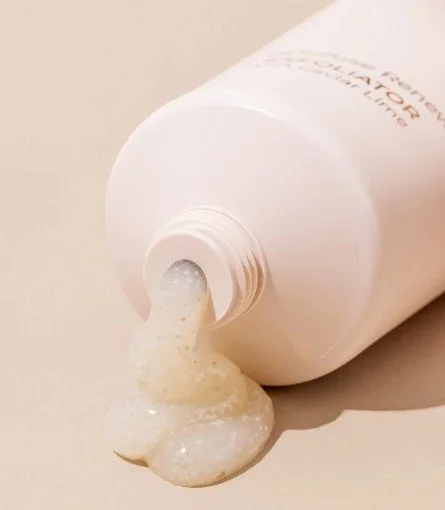
You guessed it. Today we’re talking about one of the most important steps in skincare: getting the dead stuff off your face. Not glamorous, I know… but exfoliation is one of the fastest ways to take your skin from dull and tired to glowing and smooth. When you remove that layer of dead skin cells sitting on the surface, you reveal the fresh, radiant skin underneath.
Here’s a little perspective: your body sheds somewhere between 30,000 and 40,000 skin cells every single day. Pretty wild, right? The process responsible for this is called cell turnover. That’s when your skin pushes old, dead cells up to the surface while new cells are created underneath. The catch? This process slows down as we age.
When we’re babies, our skin renews itself in about 14 days. As teenagers, it’s closer to 28 days. By the time we’re adults, it can take 28 to 42 days and after 40, it can slow down even more. That slowdown is one of the reasons skin can start to look dull, uneven, or a little tired. The good news is that exfoliation helps encourage that renewal process, giving your skin the boost it needs. But not all exfoliation is the same.
Mechanical (or Manual) Exfoliation
This is the one most people are familiar with. Mechanical exfoliation uses a physical scrub or tool to manually remove dead skin cells from the surface of the skin. Think facial scrubs, microdermabrasion, or dermaplaning. These methods work well because they immediately remove buildup sitting on top of the skin, leaving it smoother and brighter.
Microdermabrasion uses a minimally abrasive device that gently sands away the outer layer of skin while suction removes the dead cells. It’s a very controlled form of exfoliation with little to no downtime. After a treatment, the skin may be slightly sensitive, so hydration and sunscreen are key.
Dermaplaning is another popular option. During this treatment, a sterile blade is used to gently scrape away dead skin cells and remove vellus hair also known as peach fuzz. The result is incredibly smooth skin that reflects light better, which is why people often say their skin looks instantly brighter afterward. And just to clear up a common myth: your hair will not grow back thicker or darker after dermaplaning. That’s physiologically impossible.
Enzymatic Exfoliation
If you have sensitive skin or you simply prefer something gentler, enzyme exfoliation can be a great option. These exfoliants use natural fruit enzymes, often from papaya or pineapple, to dissolve dead skin cells instead of scrubbing them away. They work by gently breaking down the proteins that hold dead cells together on the skin’s surface. Because of this, enzyme exfoliation tends to be less abrasive and more forgiving, making it ideal for people who find scrubs or stronger acids irritating.
Chemical Exfoliation
Now let’s talk about the type of exfoliation that often sounds scarier than it actually is: chemical exfoliation. Despite the name, these formulas usually rely on gentle fruit acids that help dissolve dead skin cell buildup and encourage faster cell turnover.
The two main categories are AHAs (Alpha Hydroxy Acids) and BHAs (Beta Hydroxy Acids). AHAs work on the surface of the skin. They loosen the bonds holding dead skin cells together so they can shed more easily. This helps reveal smoother, brighter skin and is especially helpful for dry or dull complexions.
BHAs, on the other hand, are oil-soluble. This means they can travel deeper into the pores to break up oil and congestion. Because of this, they’re often a great choice for oily or breakout-prone skin. They also have anti-inflammatory and antibacterial properties, which can help calm blemishes.
The Most Important Rule: Don’t Overdo It
Here’s the biggest takeaway when it comes to exfoliation: more is not better. Over-exfoliating can damage your skin barrier, leading to redness, irritation, and inflammation basically the opposite of what we want.
If you’re just starting out, begin with once a week and see how your skin responds. From there, you can work up to two or three times per week at most, and evening is usually the best time to do it. Your skin should feel smoother and brighter, not tight, angry, or irritated. And as always, it’s a great idea to talk with a skincare professional about what type of exfoliation is best for your skin.
Once you find the right method and the right balance, the glow you’ll see in your skin is absolutely worth it.
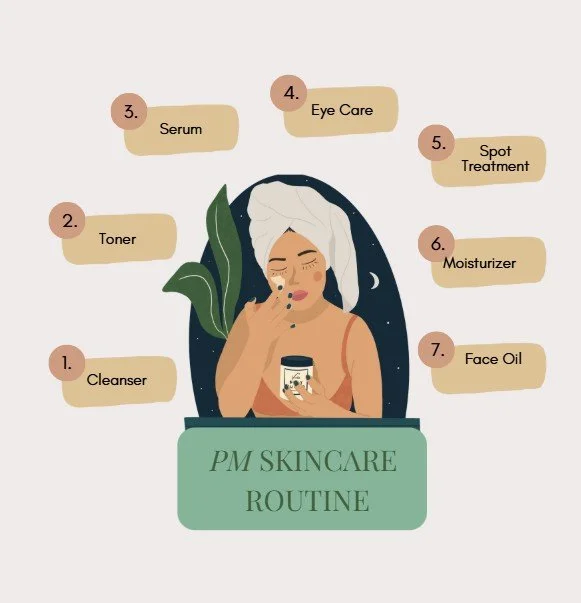
Layering Your PM Skincare: A Cheat Sheet
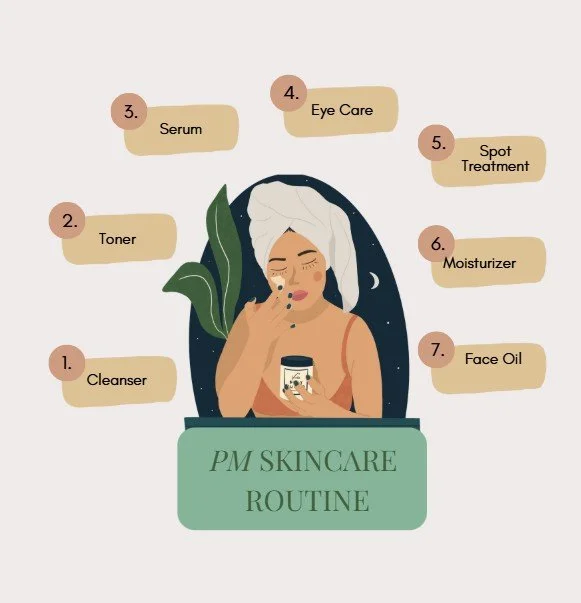
Your evening skincare routine is where the real magic happens. While you sleep, your skin goes into repair mode, working to regenerate, restore moisture, and recover from everything it faced during the day. That’s why the way you layer your products at night matters more than most people realize, especially once you’re over 40.
As we age, our skin naturally produces less collagen, less oil, and renews itself more slowly. This can lead to dryness, dullness, and fine lines that seem to show up overnight. Layering your skincare correctly helps your products absorb properly so your skin can actually use those active ingredients instead of them just sitting on the surface.
You might not use every product on this list, and that’s completely fine. The goal isn’t to have a complicated routine, it’s to understand the order so the products you do use work their hardest for you.
The general rule is simple: apply your skincare from the lightest, most liquid textures to the richest and heaviest. Think of it like dressing your skin for the night. Start with thinner products like toners or watery serums that deliver active ingredients deep into the skin. Then move on to treatment serums, followed by richer creams that help seal in hydration and support your skin barrier. Oils, if you use them, usually go last to lock everything in.
When you layer products this way, each step has the chance to absorb fully and do its job. If you apply heavier products first, they can block the lighter treatments from penetrating the skin, which means you’re not getting the full benefit of those ingredients.
And after 40, we want every product to count.
The good news is that once you understand the order, it becomes second nature. Your routine doesn’t have to be long or complicated, it just has to be intentional.
So tonight, take a few extra seconds to layer your skincare properly. Your future skin will thank you. And trust me, glowing, healthy skin at any age is always in style. ✨
Bye Bye Bags: My Real Life Under-Eye Routine for 40+ Skin
If there’s one area that tells my age before I do, it’s my under-eyes. Puffiness, fine lines, dark circles, creasing… the under-eye zone truly does the most. And once you’re over 40, you quickly realize: eye cream alone isn’t the answer, it’s about layering the right treatments.
Over time, our skin produces less collagen, holds less moisture, and takes longer to bounce back. That’s why I treat my under-eyes like a mini skincare routine instead of a single step. These are the products I reach for regularly, and each one serves a different purpose.
Shop Here
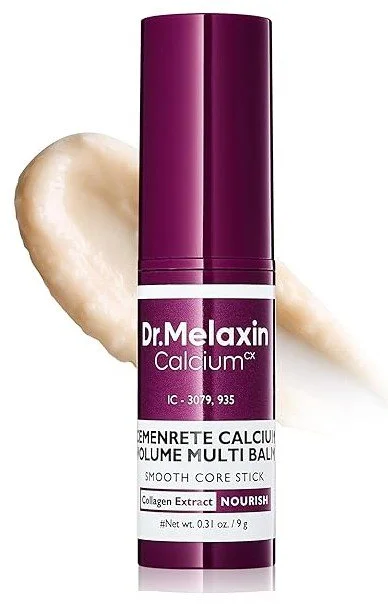
Dr. Melaxin Cemenrete Calcium Volume Stick: My De-Puffer
This is my go-to when I wake up looking… tired. The stick makes it easy to glide directly under the eyes without tugging, and I love keeping it cool for an extra depuffing effect. It gives an instant smoothing look and feels refreshing, which is perfect before makeup and is designed to improve skin firmness, boost elasticity, and reduce the appearance of wrinkles using calcium, collagen, elastin, and Vitamin D
I use this first thing in the morning when my under-eyes feel swollen or heavy. It’s especially good on no-makeup days when I still want to look more awake. I also use it at night before sleep to prep my skin for the next day.
Shop Here
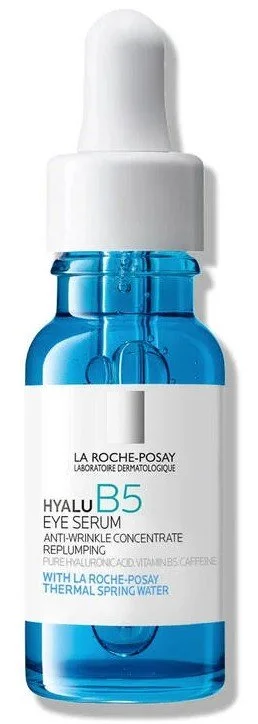
La Roche-Posay Hyalu B5 Eye Serum: For Fine Lines & Hydration
Hydration is non-negotiable once you’re over 40, and this serum is all about plumping the skin with hyaluronic acid. I like this one because it’s lightweight but still feels like it’s doing something. It absorbs quickly and doesn’t pill under concealer, which is huge.
This is my “treatment” step, specifically designed for the thin, sensitive skin around the eyes to diminish the look of crow's feet and fatigue.
Clinical Skin Rejuvenating Corrective Eye Balm: For Barrier Repair & Dryness
If your under-eyes ever feel tight or dry by the end of the day, this is the product you need in your routine. This balm is richer and more nourishing, making it ideal for nighttime or colder months when the skin needs extra support.
I use this when my under-eyes, especially after wearing makeup all day. It helps seal in moisture and keeps the area from looking crepey.
Shop Here
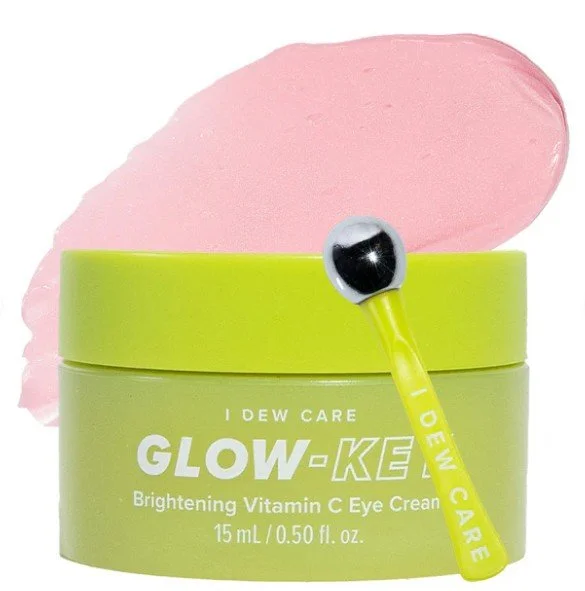
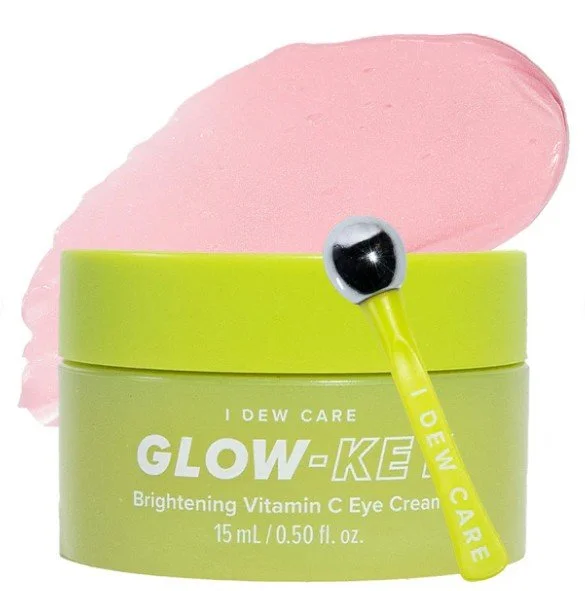
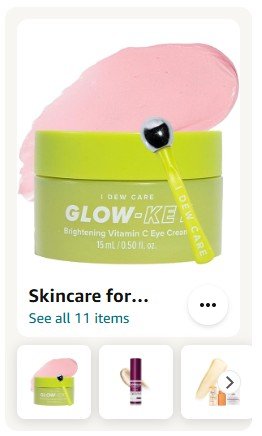
I Dew Care Vitamin C Eye Cream - Glow-Key: Brightening & Fun… but effective
This one is such a pleasant surprise. It’s lightweight, brightening, and makes my under-eyes look more awake without feeling heavy. It’s great for daytime because it layers well under makeup and doesn’t slide around.
When I want something that feels fresh and instantly improves how my under-eyes look, this is the one I grab. Oh, did I mention, its so affordable!
Shop Here
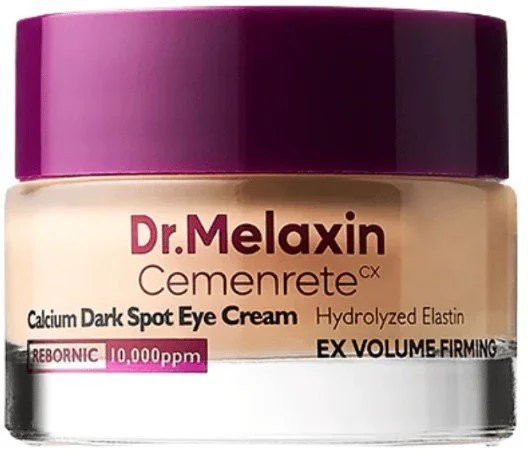
Dr. Melaxin Cemenrete Calcium Dark Spot Eye Cream: Dark Circle Savior
This is for those of us dealing with real dark circles, not just shadows, but true discoloration. This cream helps visually correct and brighten while also treating the skin. I love that it blurs and corrects while still being skincare. I use this when I want my under-eyes to look more even-toned before concealer, or on lighter makeup days when I don’t want full coverage.
How I Layer My Under-Eye Routine (40+ Edition)
Here’s my typical order:
Morning:
La Roche-Posay Hyalu B5 Eye Serum (hydrate + plump)
Dr. Melaxin Concreat Stick (depuff + smooth)
I Dew Care Eye Cream or Dr. Melaxin Dark Eye Cream Cover (depending on how tired I look)
Night:
La Roche-Posay Hyalu B5 Eye Serum
Dr. Melaxin Concreat Stick (depuff + smooth)
Clinical Skin Eye Balm (seal everything in)
This layering approach targets:
- Puffiness
-Fine lines
-Dryness
-Dark circles
Your Under-Eyes Deserve Their Own Routine
If you’re over 40 and frustrated with your under-eye area, you’re not alone. The skin here is thinner, more delicate, and shows stress faster than anywhere else on the face. The key is using products that hydrate, protect, and visually correct, not just one “miracle” cream.
These are the products I genuinely rotate through depending on what my under-eyes need that day. Think of them as tools in your beauty toolkit instead of a one-size-fits-all solution. Because looking rested is a beauty goal… at any age.
xoxo,
Mimi
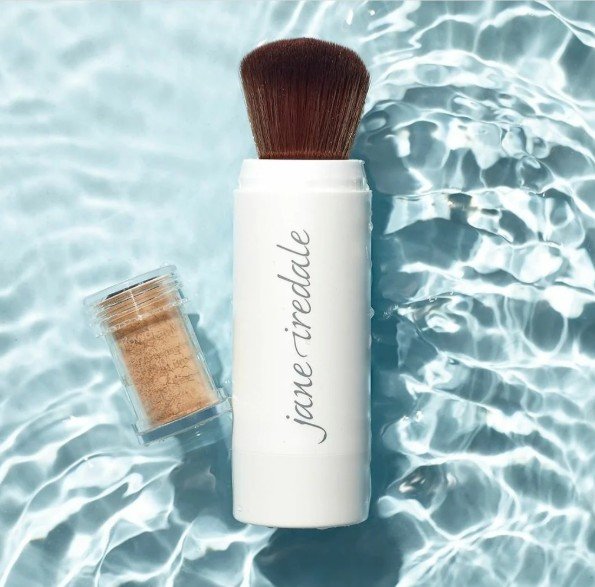
Sunscreen Isn’t Optional, Babe. It’s Skincare.
If you’ve followed me for any amount of time, you already know: I don’t play about SPF. After over 25 years in the beauty industry, I can tell you confidently, the best anti-aging product you will ever use is sunscreen.
Not the $200 cream. Not the viral serum. Sunscreen. Period.
Let’s take a moment to break this down in a way that actually makes sense.
What Is SPF?
SPF stands for Sun Protection Factor.
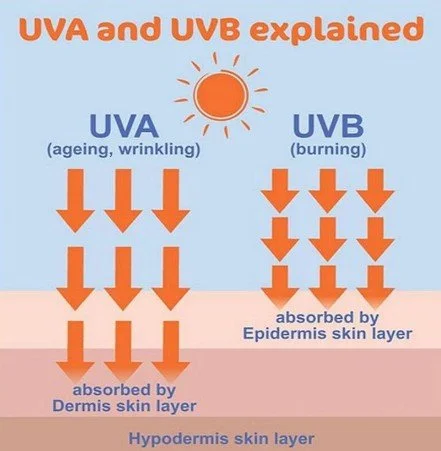
It measures how well a sunscreen protects your skin from UVB rays, the burning rays.
Here’s the simple version:
• SPF 15 blocks about 93% of UVB rays
• SPF 30 blocks about 97%
• SPF 50 blocks about 98%
Notice something? The numbers don’t double the protection. The increase is incremental. That’s why I usually recommend at least an SPF 30 or higher for daily wear.
But here’s the part many people miss, SPF only measures protection against UVB, the rays that burn you. The real aging damage? That comes from UVA rays.
UVA rays:
• Cause wrinkles
• Break down collagen
• Create hyperpigmentation
• Penetrate through clouds and windows
• Are present year-round
That’s why your sunscreen must say BROAD SPECTRUM, which is protection from BOTH UVA and UVB. If it doesn’t say broad spectrum, you’re only protecting yourself from a sunburn not from premature aging, and we are not doing that.
Why SPF Is So Important
Let’s get real for a second.Every time you skip sunscreen, you’re allowing:
• Collagen breakdown
• Pigment to deepen
• Elasticity to weaken
• Fine lines to set in
Up to 80–90% of visible skin aging is caused by sun exposure, and each year in the United States, nearly 5 million people are diagnosed with skin cancer.
This is not just cosmetic. This is health,SPF is prevention, SPF is protection and SPF is long-term strategy.
Mineral vs. Chemical SPF: What’s the Difference?
This is one of my most asked questions. Let’s simplify it.
Mineral (Physical) Sunscreen
Active ingredients: Zinc Oxide and/or Titanium Dioxide
How it works: Sits on top of the skin and reflects UV rays like little mirrors. This works best for those with sensitive skin, Rosacea, post-procedure skin and Acne-prone skin or those with hyperpigmentation. You might be asking yourself what makes it better? Mineral SPF works immediately, meaning as soon as you place it on the skin, you are ready to be out in the sun. It is also less irritating and great for reactive or sensitive skin types.
Chemical Sunscreen
Active ingredients: Avobenzone, Octinoxate, Octisalate, and others
How it works: Absorbs UV rays and converts them into heat. This SPF is best for: no white cast lovers, looks under makeup wearers, and deeper skin tones wanting an invisible finish. Chemical SPF tends to be lightweight, a great primer for makeup and blends seamlessly. Unlike mineral, you do have to wait at least 15–20 minutes before sun exposure so it can absorb into the skin and if you have sensitive skin, it could irritate.
My take? I personally prefer mineral. I have my routine my it works for me. But in reality, it is not about which one is “better.” It’s about which one you will actually wear every single day. The best sunscreen is the one you use consistently.
Application Matters More Than You Think
Here’s where most people get it wrong. You are probably not using enough.
To get the SPF listed on the bottle, you need:
• About 1/4 teaspoon for your face alone
• Or the two-finger rule (a line of sunscreen down your index and middle finger)
For face, neck, and chest? Closer to 1/2 teaspoon. And yes, you must reapply every 2 hours. More often out doors especially if you’re sweating or swimming. Common mistakes I see all the time, only applying in the morning and thinking you’re covered all day, you are not and you have just wasted time and money. Be consistent it is what makes the difference between protected skin and premature aging.
Don’t Forget This
• More women are embracing protected skin over chasing a tan.
• Sunscreen use is especially low among men. Remind the men in your life.
• Apply to your neck and chest. Your face cannot look 35 while your chest looks 52.
• Sunscreen is not seasonal. You need it 365 days a year.
If you invest in one skincare step, make it this one. SPF is not optional. It’s daily. Your future skin will thank you. 💛
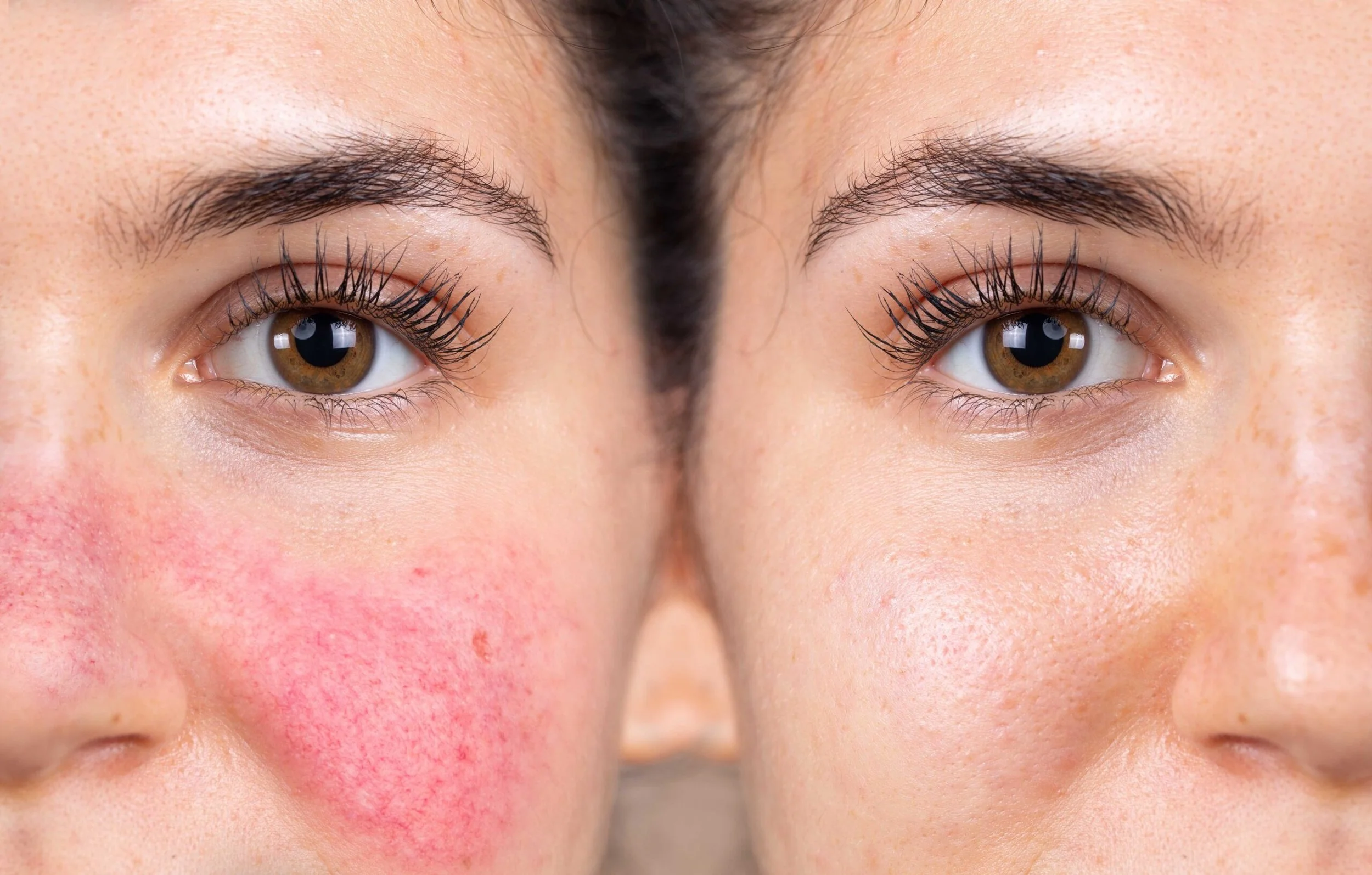
Why is My Face So Red? Let’s Talk Rosacea
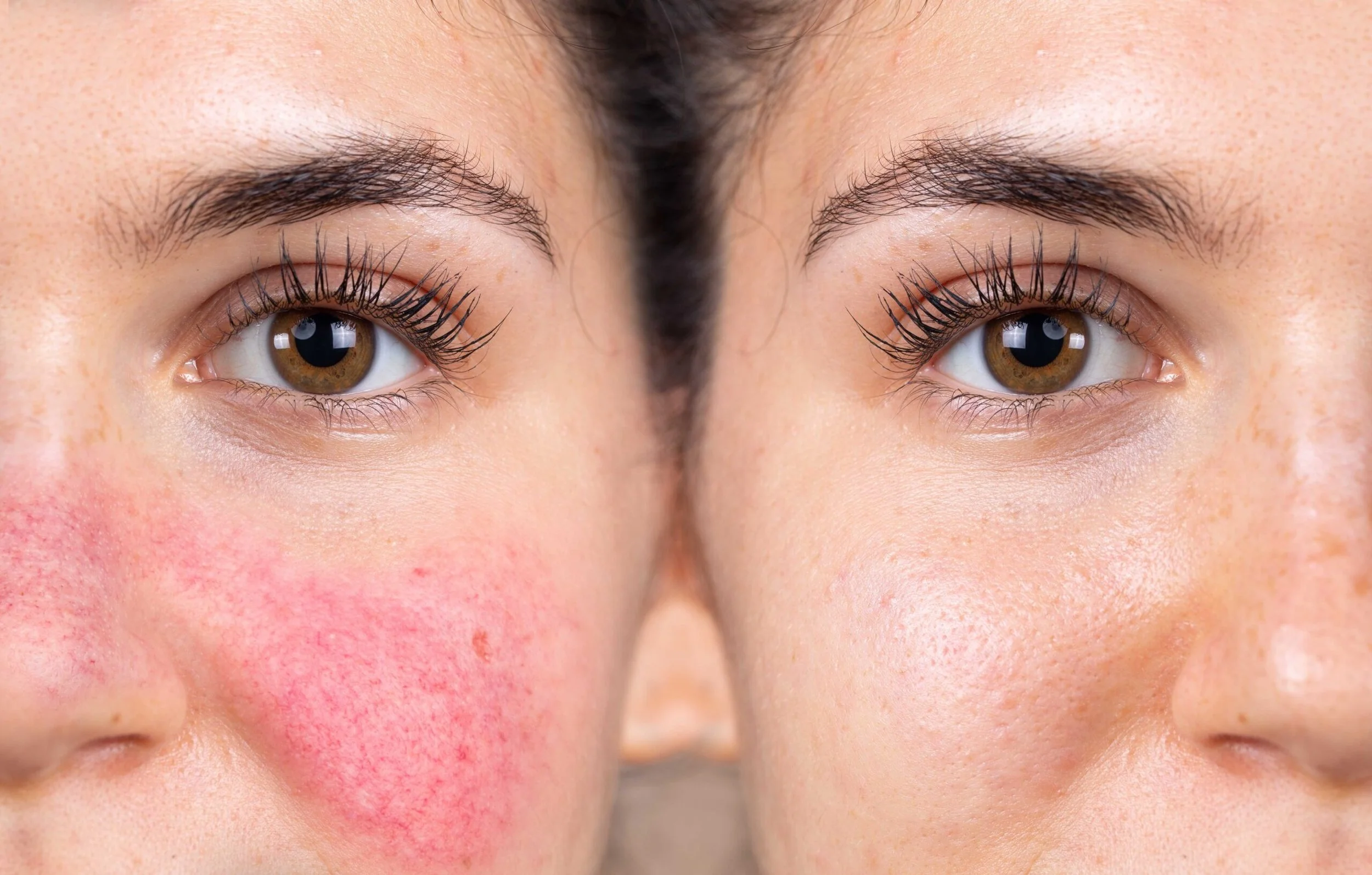
Something funny (and not-so-funny) happens to our skin once we hit our 30s and 40s. One of the most common things I see? Rosacea. Today we’re breaking down what it is, what triggers it, and what you can do to help calm it down.
What is Rosacea?
According to rosacea.org, rosacea is a chronic skin condition that usually starts after age 30 and shows up as redness on the cheeks, nose, chin, or forehead. It can flare up and calm down over time, and for some people it can spread to the neck, chest, scalp, or ears. Left untreated, it can turn into bumps, breakouts, and even visible blood vessels.
Let’s put that in plain English: Rosacea = persistent redness, sensitivity, and sometimes dryness or bumps. It’s not just “having rosy cheeks.” It’s inflammation happening under the surface of your skin.
If you think you might have rosacea, your first stop should always be your provider. They can properly diagnose it and prescribe medication if needed to help control flare-ups.
What Can I Do to Help Control Rosacea?
Once you’ve seen a professional (or while you’re waiting for that appointment), here are some things that can truly make a difference.
Rosacea loves drama. Try to limit:
Extreme heat (hot showers, saunas, steam)
Spicy foods
Caffeine and alcohol
Stress (yes, really — your skin feels it)
Drink more water, eat cleaner when you can, and listen to your skin. If something makes it red, itchy, or hot… it’s not your product.
Look for skincare with:
Chamomile – anti-inflammatory, soothing
Aloe Vera – hydrates and cools irritation
Niacinamide (Vitamin B3) – strengthens the skin barrier and reduces redness
Green Tea – antioxidant + calming
Centella Asiatica (Cica) – repairs stressed skin
Oat Extract (Colloidal Oatmeal) – relieves dryness and itchiness
Ceramides – rebuild the skin barrier
These ingredients won’t “cure” rosacea, but they help keep flare-ups under control.
Steer clear of:
Fragrance (even natural or essential oils)
Peppermint, eucalyptus, ginseng
Harsh exfoliants and scrubs
Strong brightening acids
Alcohol-heavy toners
The more “exciting” the ingredient list, the more likely it is to cause irritation. You don’t need luxury skincare to calm rosacea. These are gentle, affordable, and easy to find:
Gentle Cleansers
Cetaphil Gentle Skin Cleanser
CeraVe Hydrating Facial Cleanser
La Roche-Posay Toleriane Hydrating Cleanser
Moisturizers
Vanicream Daily Facial Moisturizer
CeraVe Moisturizing Cream
La Roche-Posay Toleriane Double Repair Moisturizer
Soothing Serums
The Ordinary Azelaic Acid Suspension 10%
La Roche-Posay Rosaliac AR Intense
Aveeno Calm + Restore Oat Serum
Keep Your Routine SIMPLE. That’s it. Simple = safe. Rosacea skin does not want a 12-step routine.
Think:
Gentle cleanser
Calming serum
Moisturizer
SPF (mineral sunscreen only)
Cold air and wind dry out your skin barrier fast. Use a moisturizer daily (yes, even if you’re oily). Think of it as your skin’s winter coat. Never treat active rosacea with harsh treatments. Some doctors and naturopaths have seen good results with:
Red LED light therapy: helps reduce inflammation and boost collagen
Microdermabrasion (after a flare-up is calm): removes dry, flaky buildup
Rosacea isn’t something you caused and you’re not alone. It’s common, manageable, and totally compatible with healthy, glowing skin when you treat it gently.
Drink your water.
Lower your stress.
Stop using products that burn or tingle.
And remember: calm skin = happy skin.
Have more skin questions? Leave me a comment, I’m always happy to help. 💕
xoxo, Mimi
Skincare Over 40: Why Your Routine Matters More Than Ever
Let’s get one thing straight, aging is not the problem… neglect is.
After 40, your skin isn’t being “difficult” , it’s just asking for different support. Hormones shift, collagen slows down, and cell turnover hits the brakes. That glow you used to get from splashing water on your face? She’s gone, she’s.
Skincare over 40 isn’t about chasing youth. It’s about protecting what you have, correcting what’s changing, and treating your skin with the respect it deserves. And that’s why a real routine matters. Not 12 random products. Not whatever TikTok is screaming about this week. Instead think: smart, intentional routine where every step has a job.
Let’s talk about the why behind the most important players.
CLEANSER
Your Reset Button
If your skin is over 40, harsh cleansers are not your friend. Stripping your skin just tells it to produce more oil and more inflammation.
Why it matters:
Cleansing removes makeup, SPF, pollution, and bacteria so your treatment products can actually work. Think of it as prepping the canvas. Gentle. Hydrating. No squeaky-clean nonsense.
VITAMIN C
Your Brightening Bodyguard
Vitamin C is not optional after 40, it’s essential.
Why it matters:
It’s your daytime defense system. If you want that “rested” look without actually resting? Vitamin C does the heavy lifting.
Brightens dull skin
Helps fade dark spots/ hyperpigmentation
Boosts collagen production
Protects against environmental damage (everyday LIFE !)
SERUM
Your Problem Solver
Serums are where real treatment happens. They’re more concentrated and penetrate deeper than creams.
Why serums matter:
This is where you customize your routine. Your serum should match your skin’s needs, not your best friend’s.
They target specific concerns like:
Fine lines
Dark spots
Loss of firmness
Dehydration
HYALURONIC ACID
Your Skin’s Drink of Water
Hyaluronic acid doesn’t exfoliate. It doesn’t resurface. It hydrates deeply and plumps the skin from within.
Why it matters after 40:
As we age, our skin holds less moisture. That’s when lines look deeper and skin looks tired.
Hyaluronic Acid:
Plumps the skin
Softens fine lines
Makes everything else work better
Hydrated skin = younger-looking skin. Period.
RETINOL
The Gold Standard
This one has a reputation, and she earned it. It’s not about peeling your face off. It’s about training your skin to act younger. Slow and steady wins here. Retinol is a long game, and it pays off. There are different options for sensitive skin here. Work your way into a more concentrated formula as time goes on.
Why retinol is so important:
Speeds up cell turnover
Softens wrinkles
Improves texture
Helps with acne and pigmentation
MOISTURIZER
The Shell
If serums are the treatment, moisturizer is the lock.
Why moisturizer matters:
Without it, your active ingredients evaporate instead of performing.
Moisturizer is what makes your routine feel like self-care instead of chemistry class.
Prevents moisture loss
Strengthens the skin barrier
Keeps skin comfortable and balanced
EYE SERUM
The Specialist
The skin around your eyes is 4 times thinner then the rest of your face which causes it to be drier and leads to showing aging first.
Why eye serum exists:
Targets fine lines
Helps with puffiness
Supports delicate skin
Think of it as precision skincare. It’s not extra — it’s strategic.
EYE CREAM
The Protector
Eye serum treats.
Eye cream protects.
Why you need both:
Eye cream seals in hydration and shields that fragile area from makeup, dryness, and creasing.
If your concealer settles into lines, this step is your new best friend.
The Real Reason You Need a Routine, Especially After 40
Skincare over 40 is about consistency, not perfection. You’re not trying to erase your life.
You’re maintaining your skin the way you maintain your hair, your body, and your style.
A routine:
· Keeps skin healthier
· Slows visible aging
· Improves texture and tone
· Makes makeup look better
· Builds confidence bare-faced
Your skin is changing because you are changing, that’s not a flaw, that’s a season. The goal isn’t to look 25, the goal is to look like the best version of the age you are right now. Healthy. Glowing. Taken care of. That starts with doing your skincare, not out of fear of aging, but out of respect for yourself. Because grown women don’t skip skincare. We curate it.
And confidence? That’s the best anti-aging product there is.
Shop My Skincare
The First Step... Clean your Skin

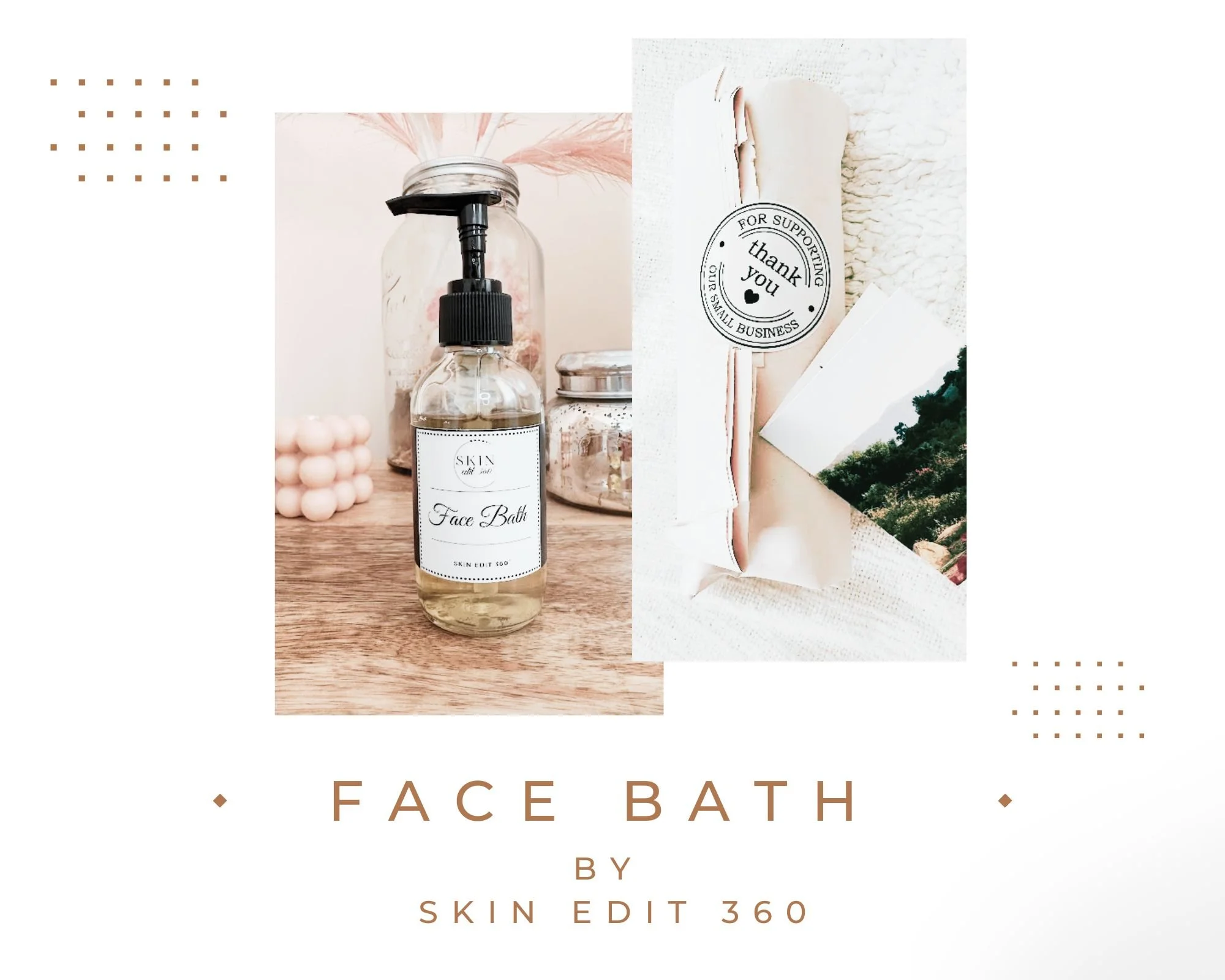
My night time routine is such an important part of my day and cleansing is the first step. Today I share my newest cleanser obsession, Face Bath by Skin Edit 360.
Why cleanse? Cleansing is necessary in keeping your skin healthy. Cleansing helps penetrate anti-aging and hydrating products into your skin, leaving it looking more radiant and helps treatments work properly.
About Face Bath- Aloe base in a foamy cleanser won’t strip your skin dry. Mangosteen is an antioxidant rich superfood. Yogurt helps keep the skin surface protected & balanced. Smells like a dream. Left my skin clean but soft.
Face Bath by Skin Edit 360 is sold exclusively at Cali Skin Spa. Owner, Kami, has a beautifully curated selection of skincare products to help any skin condition. Support her business by clicking the link below and shop from her business.
Finding The Right Cleanser
by Shelby Vermillion

Oh so many to choose from! But how do you decide? With many people it comes down to texture. Some prefer foam, whereas others prefer a lotion or oil. What if you could find the best cleanser for your skin type though? And maybe even get one with a texture that you love.
As a basic rule of thumb, acne-prone or oily skin types are better suited for foam or gel cleansers. Try to look for ones that aren’t going to be too stripping or full of sulfates, which are harsh detergents. Yes, we want to keep the oil at bay, but if we dry out the skin too much there will be even more problems to come.
I have oily skin (which I have come to love) but sensitive skin as well. Anything too strong or active and my skin starts to turn red and becomes irritated. Other people with oily skin types have discussed this frustration with me as well. One of the things I have found that works the best is to have more than one cleanser. Yes more than one! How fun is that? You can use one in the morning and then a different one at night. I typically do a gel in the AM to keep me less oily throughout the day and then use a cleansing lotion at night because they really do a good job at removing all the dirt, grime and make up from the day. Plus, I get to give my skin a break from the active gel cleanser. This seems to have really striked a balance with my skin, and I love it. On days where I feel more oily, I’ll use the gel twice a day and if I’m dry or irritated, I will skip the gel cleanser and use the lotion both morning and night. Every day you can customize your regimen to suit your skin’s needs.
If you wear a lot of make up or have very dry skin, you can use an oil cleanser or a cream cleanser, which is thicker than a lotion cleanser. Some cleansers even have conditioning properties to soothe dry or irritated skin, while others have exfoliants to encourage cell turnover on a regular basis. I promise once you find the right one, you’ll see a world of difference in your skin!
Mimi says... Sometimes the best way to find the perfect fit to to just try lots of different ones! If you are in need of a new cleanser, let me know! I will send you a personalized care package filled with different textures.